Key Highlights
- Payroll services help small businesses manage employee payments, HMRC reporting, pensions, and payroll compliance more efficiently.
- Manual payroll processes often increase payroll errors, reporting delays, and operational inefficiencies as businesses grow.
- Modern payroll systems simplify payroll calculations, payslips, pension management, and payroll reporting.
- Payroll software, accountant-managed payroll, and outsourced payroll services suit different business structures and payroll needs.
- Leading UK payroll providers include Moorepay, PayFit, BrightPay, Sage Payroll, Xero Payroll, and ADP UK.
- Payroll pricing varies based on employee numbers, payroll structure, service type, and support requirements.
- Direct Payroll Services provides fully managed payroll support with scalable payroll management and HMRC-focused compliance assistance.
Managing payroll manually can quickly become stressful for small business owners. From tracking employee hours and calculating tax deductions to handling pensions and HMRC submissions, payroll often takes up valuable time that could be spent growing the business.
The pressure increases as teams grow. Small payroll mistakes can lead to compliance issues, delayed payments, employee frustration, and unnecessary administrative workload. Many businesses still rely on spreadsheets or outdated systems that make payroll management slower and more error-prone.
This guide explores the best payroll services for small business in the UK, compares payroll software and outsourcing options, explains costs, and helps you choose the right solution based on your business needs.
What Are Payroll Services for Small Business?
Payroll services for small businesses are solutions designed to handle all aspects of employee payment and compliance. A payroll provider can manage everything from calculating wages and deductions to processing payments and generating payslips. These payroll solutions are essential for businesses of all sizes, helping to ensure accuracy and adherence to tax regulations.
Payroll services for small companies also help businesses manage HMRC reporting, pension contributions, statutory payments, and payroll records more efficiently. By automating repetitive payroll tasks and reducing manual calculations, these services help small businesses improve operational efficiency while minimising payroll errors and compliance risks.
Why Are More Small Businesses Replacing Manual Payroll Processes?
Manual payroll processes are becoming harder for small businesses to manage as payroll regulations, reporting requirements, and workforce structures become more complex. Payroll services for small business help companies improve payroll accuracy, maintain HMRC compliance, and simplify payroll management through automation and streamlined reporting.
- Increasing HMRC compliance requirements make manual payroll management more difficult and time-consuming.
- Manual payroll calculations increase the risk of tax errors, incorrect deductions, and employee payment issues.
- Growing businesses often struggle to manage payroll consistently through spreadsheets or outdated systems.
- Employees now expect faster payroll processing, digital payslips, and self-service payroll access.
- Expanding teams, contractors, and varied pay structures increase payroll complexity significantly.
- Automated payroll systems reduce repetitive payroll tasks and improve reporting accuracy.
- Modern payroll software integrates with accounting and HR systems to improve operational visibility.
- Cloud-based payroll platforms provide stronger payroll data security and GDPR-compliant record management.
More businesses are replacing manual payroll methods because payroll services for small business provide greater accuracy, scalability, compliance support, and long-term payroll efficiency without increasing internal administrative pressure.
What Features Should the Best Payroll Service for Small Business Include?
The best payroll services for small business should simplify payroll operations while helping businesses maintain accuracy, consistency, and better control over payroll management. Beyond salary processing, modern payroll systems should support smoother day-to-day payroll administration as workforce structures and payroll responsibilities become more demanding.
The best payroll systems usually include the following essential features:
1. Employee Self-Service Access
Modern payroll systems for small business should provide secure employee portals where staff can access payslips, tax documents, payment history, and payroll records without depending on payroll administrators for routine requests. This improves accessibility for employees while helping businesses reduce repetitive payroll-related communication and manual document sharing.
2. Integration With Accounting Software
Payroll integration with accounting systems helps businesses maintain cleaner financial records by automatically syncing payroll data with bookkeeping and financial reporting platforms. This reduces duplicate data entry, improves reconciliation accuracy, and creates more organised financial management processes across the business.
3. Payroll Reporting and Analytics
Payroll reporting tools help businesses monitor labour costs, deductions, employee payment trends, and payroll expenses more effectively. Better reporting visibility supports stronger budgeting decisions, workforce planning, and financial forecasting as payroll responsibilities become more complex over time.
4. Secure Payroll Data Management
Payroll platforms should provide encrypted storage, controlled user access, GDPR-compliant systems, and secure backups to protect sensitive employee and payroll information. Strong payroll security helps businesses reduce risks linked to unauthorised access, payroll data loss, and internal data handling issues.
5. Scalable Payroll Functionality
The best payroll service for small company operations should adapt easily to workforce growth, changing pay structures, and increasing payroll responsibilities without disrupting existing payroll workflows. Scalable systems help businesses manage expansion more efficiently without frequently changing payroll platforms or processes.
6. Responsive Customer Support
Reliable customer support helps businesses resolve payroll issues, software setup concerns, reporting difficulties, and payroll queries more efficiently. Faster support access becomes especially important during payroll deadlines, employee payment periods, or compliance-related situations where delays can affect operations.
The best payroll software for small business should combine operational flexibility, reporting visibility, scalability, and reliable payroll management within a system that remains practical as business operations continue to grow.
What Is the Best Payroll Service for Small Business in the UK?
The best payroll services for small business UK companies depend on payroll complexity, budget, compliance needs, and operational goals. Some businesses prioritise affordability and automation, while others require dedicated payroll expertise and compliance support. Comparing leading payroll providers helps businesses choose a solution that supports both current operations and future growth.
1. Moorepay

Image Source: Moorepay Website
Moorepay combines payroll processing with HR functionality, making it suitable for businesses wanting both payroll and workforce management within one system. The platform is designed for growing businesses that require more flexibility as payroll structures, reporting requirements, and workforce management responsibilities continue to evolve.
Best suited for:
- Growing SMEs.
- Businesses needing payroll and HR integration.
- Companies managing changing payroll schedules.
Standout advantages:
- Combines payroll and HR management within one platform.
- Flexible payroll processing options support changing workforce needs.
- Strong payroll reporting visibility improves workforce oversight.
Considerations:
- More advanced functionality may feel excessive for very small businesses.
- Broader HR tools can increase overall system complexity.
2. PayFit
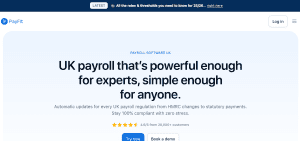
Image Source: PayFit Website
PayFit focuses heavily on payroll usability through a modern cloud-based platform designed for digitally managed payroll operations. The software centralises payroll administration, employee management, leave tracking, and payroll reporting within a more streamlined digital environment.
Best suited for:
- Tech-focused businesses.
- Teams preferring self-managed payroll software.
- Companies wanting integrated HR functionality.
Standout advantages:
- User-friendly interface simplifies payroll administration.
- Employee self-service functionality improves payroll accessibility.
- Centralised payroll and HR management reduces operational fragmentation.
Considerations:
- Businesses wanting highly personalised payroll support may prefer managed providers.
- Some advanced payroll customisations may require additional setup.
3. BrightPay
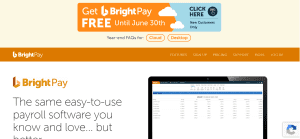
Image Source: BrightPay Website
BrightPay is widely recognised for its practical payroll management interface and straightforward payroll setup. The platform is commonly used by small businesses and accountants that require accessible payroll tools without overly complex payroll system management.
Best suited for:
- Small businesses managing payroll internally.
- Accountants handling multiple payroll clients.
- Companies needing CIS functionality.
Standout advantages:
- Straightforward payroll setup improves usability for smaller businesses.
- CIS payroll support benefits construction-related payroll operations.
- Payroll reporting tools remain accessible without excessive complexity.
Considerations:
- Desktop based setup may not suit businesses preferring fully cloud native payroll systems.
- Some cloud features require additional add-ons.
4. IRIS Payroll Services

Image Source: IRIS Payroll Services Website
IRIS Payroll Services offers payroll software and managed payroll solutions with a stronger focus on compliance-heavy payroll environments. The platform is particularly suitable for businesses operating in sectors where payroll reporting and workforce compliance requirements are more demanding.
Best suited for:
- Construction and CIS-focused businesses.
- Companies with compliance-heavy payroll structures.
- Businesses needing payroll training support.
Standout advantages:
- Strong CIS payroll functionality supports regulated payroll environments.
- Managed payroll options reduce internal payroll administration.
- Payroll training resources support businesses with complex payroll operations.
Considerations:
- Broader feature sets may feel more complex for smaller teams.
- Some services may involve higher implementation costs.
5. Sage Payroll
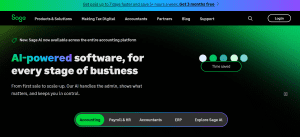
Image Source: Sage Payroll Website
Sage Payroll is designed for businesses already operating within the Sage accounting ecosystem. The platform helps businesses manage payroll alongside accounting operations more efficiently through connected financial management processes and payroll visibility.
Best suited for:
- Sage accounting users.
- Small businesses wanting connected financial systems.
- Companies preferring cloud payroll access.
Standout advantages:
- Strong accounting integration improves financial visibility.
- Connected systems simplify payroll reconciliation processes.
- Cloud payroll access supports remote payroll management.
Considerations:
- Businesses not using Sage accounting software may gain less integration value.
- Advanced HR functionality is relatively limited.
6. Direct Payroll Services

Image Source: Direct Payroll Services Website
Direct Payroll Services provides fully managed payroll services focused on reducing internal payroll administration and maintaining payroll compliance. The platform is structured for businesses preferring more direct payroll assistance rather than internally managed payroll software.
Best suited for:
- Businesses preferring fully managed payroll.
- Companies wanting hands on payroll support.
- Small businesses prioritising compliance management.
Standout advantages:
- Fully managed payroll reduces internal payroll workload.
- Dedicated payroll support improves issue resolution.
- HMRC-focused payroll management supports compliance consistency.
Considerations:
- Businesses preferring self-managed payroll software may prefer software-first platforms.
- Fully managed payroll services can involve higher monthly costs than basic payroll software.
7. QuickBooks Payroll

Image Source: QuickBooks Payroll Website
QuickBooks Payroll integrates payroll processing directly with QuickBooks accounting software, helping businesses manage payroll and bookkeeping within one financial environment. The platform is generally suited for businesses prioritising usability and simplified payroll administration.
Best suited for:
- QuickBooks accounting users.
- Businesses wanting integrated payroll and bookkeeping.
- Small teams needing straightforward payroll management.
Standout advantages:
- Payroll and bookkeeping remain connected within one system.
- Simplified payroll administration improves usability for smaller teams.
- Automated payroll calculations reduce manual payroll processing.
Considerations:
- Limited flexibility for businesses with highly complex payroll structures.
- Advanced payroll customisation options are more restricted.
8. Xero Payroll

Image Source: Xero Payroll Website
Xero Payroll provides cloud-based payroll functionality integrated with Xero accounting software. The platform supports businesses wanting centralised payroll visibility and more connected payroll management within a cloud-based accounting environment.
Best suited for:
- Xero accounting users.
- Cloud-focused businesses.
- Teams wanting employee self-service functionality.
Standout advantages:
- Cloud-based payroll management improves operational accessibility.
- Employee self-service functionality reduces routine payroll requests.
- Connected payroll and accounting visibility improve financial management.
Considerations:
- Payroll functionality may feel lighter compared to dedicated payroll-first platforms.
- Some advanced payroll requirements may need additional integrations.
9. ADP UK

Image Source: ADP UK Website
ADP UK provides scalable payroll and workforce management solutions designed for businesses with broader operational requirements. The platform is commonly used by organisations needing more advanced payroll infrastructure, workforce management support, and long-term operational scalability.
Best suited for:
- Businesses planning international expansion.
- Companies needing enterprise level payroll infrastructure.
- Organisations prioritising payroll security.
Standout advantages:
- Global payroll infrastructure supports international workforce management.
- Advanced payroll security strengthens payroll data protection.
- Scalable payroll systems support long-term operational growth.
Considerations:
- Advanced enterprise capabilities may exceed the needs of smaller businesses.
- Pricing can be higher compared to smaller payroll-focused platforms.
10. Patriot Payroll
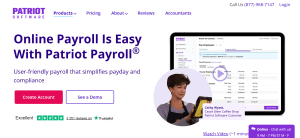
Image Source: Patriot Payroll Website
Patriot Payroll is a payroll software solution designed for small businesses looking for simplified payroll management and straightforward payroll processing. The platform focuses on usability, employee payment management, tax filing support, and basic payroll administration without adding unnecessary operational complexity.
Best suited for:
- Small businesses wanting simplified payroll software.
- Businesses with straightforward payroll structures.
- Teams preferring easy payroll setup and management.
Standout advantages:
- Simple payroll interface improves usability for smaller teams.
- Automated payroll tax filing reduces manual payroll administration.
- Employee portal access improves payroll document accessibility.
Considerations:
- Advanced HR functionality is relatively limited.
- Better suited for simpler payroll operations rather than highly complex payroll structures.
11. MHR Payroll Services
Image Source: MHR Payroll Services Website
MHR Payroll Services combines payroll processing with workforce analytics and broader HR management functionality. The platform is generally more suitable for businesses managing operationally complex workforce structures and requiring deeper payroll visibility.
Best suited for:
- Businesses with complex workforce structures.
- Companies needing advanced payroll reporting.
- Organisations managing multiple pay structures.
Standout advantages:
- Workforce analytics improve payroll visibility and planning.
- Advanced payroll reporting supports operational oversight.
- HR and payroll management remain connected within one platform.
Considerations:
- Advanced reporting functionality may feel excessive for simpler payroll operations.
- Better suited to scaling or operationally complex businesses.
The best payroll services for small business depends on operational complexity, software preferences, compliance requirements, and long-term growth plans. Businesses should compare payroll providers based on scalability, automation capabilities, reporting functionality, integrations, and support quality to identify the most suitable payroll solution.
How Do these Payroll Service Providers Compare for Small Businesses?
Choosing the best payroll services for small business depends on factors such as automation, integrations, compliance support, scalability, payroll complexity, and operational flexibility. Comparing leading payroll providers side by side helps businesses evaluate which payroll solution aligns best with their budget, workforce structure, and long-term growth requirements.
Comparison Table: Best Payroll Services for Small Business UK
| Payroll Provider | Best For | Key Benefit | Payroll Type | Scalability |
|---|---|---|---|---|
| Moorepay | Growing SMEs | Payroll and HR management within one system | Managed + Software | High |
| PayFit | Tech-focused businesses | User-friendly cloud payroll management | Software Based | High |
| BrightPay | Internal payroll management | Simplified payroll setup and processing | Software Based | Moderate |
| IRIS Payroll Services | Compliance-heavy businesses | Strong CIS and compliance support | Managed + Software | High |
| Sage Payroll | Sage accounting users | Connected payroll and accounting visibility | Software Based | Moderate |
| Direct Payroll Services | Fully managed payroll support | Hands-on payroll support and compliance management | Fully Managed | High |
| QuickBooks Payroll | QuickBooks users | Integrated payroll and bookkeeping management | Software Based | Moderate |
| Xero Payroll | Cloud accounting businesses | Centralised cloud payroll visibility | Software Based | Moderate |
| ADP UK | International growth businesses | Enterprise-level payroll infrastructure | Managed + Software | Very High |
| Patriot Payroll | Small businesses wanting a simple payroll | Straightforward payroll management and tax filing | Software Based | Moderate |
| MHR Payroll Services | Complex workforce structures | Advanced payroll reporting and workforce analytics | Managed + Software | Very High |
No single payroll provider suits every small business. The best payroll service for small company operations depends on payroll complexity, compliance requirements, integration needs, and future scalability. Businesses should prioritise long-term operational fit, automation capabilities, and support quality rather than choosing solely based on pricing.
How Much Does a Payroll Service Cost in the UK?
Payroll services for small business vary in cost depending on employee numbers, payroll frequency, support requirements, and service type. A five-employee retail business using basic payroll software may spend around £15 to £30 monthly, while a 20-employee company using fully outsourced payroll services could spend £150 to £300+ per month.
What Factors Affect Payroll Service Pricing?
Payroll pricing usually depends on the following factors:
- Number of employees.
- Weekly vs monthly payroll schedules.
- Overtime, bonuses, and pension administration.
- CIS payroll requirements.
- Payroll software vs fully managed payroll services.
- HR and accounting integrations.
- Employee self-service access.
- Payroll setup or migration support.
- Year-end reporting requirements.
For example, a straightforward monthly office payroll is usually far cheaper than a weekly construction payroll involving CIS deductions, overtime calculations, and multiple payment structures.
Typical Payroll Costs in the UK
| Payroll Type | Typical Cost |
|---|---|
| Payroll Software | £7 to £50+ per month |
| Accountant Managed Payroll | £20 to £150+ per month |
| Fully Outsourced Payroll | £30 to £400+ per month |
| Per Employee Pricing | £3 to £10 per employee |
What Hidden Payroll Costs Do Small Businesses Often Miss?
Many businesses focus only on monthly payroll subscription fees while overlooking additional payroll-related expenses that increase long-term operational costs. Businesses often overlook the following hidden payroll costs when comparing payroll providers:
- Payroll setup or implementation fees.
- Employee data migration charges.
- Year-end reporting fees for P60s and P11Ds.
- Payroll correction or amendment charges.
- Premium customer support costs.
- Payroll software integration or upgrade fees.
For example, a low-cost payroll package may initially seem affordable, but additional support requests, reporting services, or migration fees can significantly increase total payroll spending over time.
Payroll pricing should be evaluated beyond basic monthly costs alone. Small businesses should compare payroll services based on operational fit, compliance support, scalability, reporting capabilities, and long-term payroll efficiency to avoid unexpected payroll costs as business requirements continue to grow.
Conclusion
Choosing the right payroll services for small business helps companies improve payroll accuracy, maintain HMRC compliance, and reduce administrative workload. Whether using payroll software, accountant-managed payroll, or fully outsourced payroll support, businesses should prioritise automation, scalability, reporting capabilities, and operational efficiency to manage payroll more reliably as business requirements continue to grow.
Frequently Asked Questions
Can payroll software integrate with accounting systems used by small businesses?
Yes, many payroll software solutions offer integration with popular accounting systems. This integration streamlines financial processes, allowing small businesses to automate data transfer, reduce errors, and save time on manual entries while ensuring accurate financial records. Always check compatibility before choosing software.
Are there affordable payroll options specifically for UK startups?
Yes, UK startups can find affordable payroll options tailored to their needs. Various online platforms and software offer competitive pricing, ensuring compliance with regulations while simplifying payroll processes. Researching these services can help startups manage costs effectively without compromising on quality.
What support do payroll providers offer for compliance with new UK laws?
Payroll providers assist small businesses in navigating new UK laws by offering expert guidance on compliance requirements, ensuring accurate tax calculations, and keeping up-to-date with legislative changes. This support minimises legal risks and helps maintain proper documentation for audits or inspections.
How do payroll services work?
Payroll services for small business manage employee salaries, PAYE deductions, pension contributions, HMRC submissions, and payroll reporting through automated systems. These services help businesses reduce manual payroll processing, improve compliance accuracy, and simplify ongoing payroll management.
Why outsource payroll processing services?
Outsourcing payroll services for small business helps reduce administrative workload, minimise payroll errors, improve HMRC compliance, and save operational time. It also gives businesses access to payroll expertise, automated reporting, and scalable payroll support without managing payroll internally.
Do I need a payroll service for one employee?
Yes, even businesses with one employee must manage PAYE tax, pension obligations, payslips, and HMRC submissions accurately. Payroll services for small business or a payroll system for small business can help automate these responsibilities while reducing compliance risks and administrative workload.
How much do accountants charge for payroll services?
Accountant managed payroll services for small business usually cost between £20 and £150+ per month, depending on employee numbers, payroll complexity, reporting requirements, and additional financial support such as bookkeeping, tax management, or pension administration.