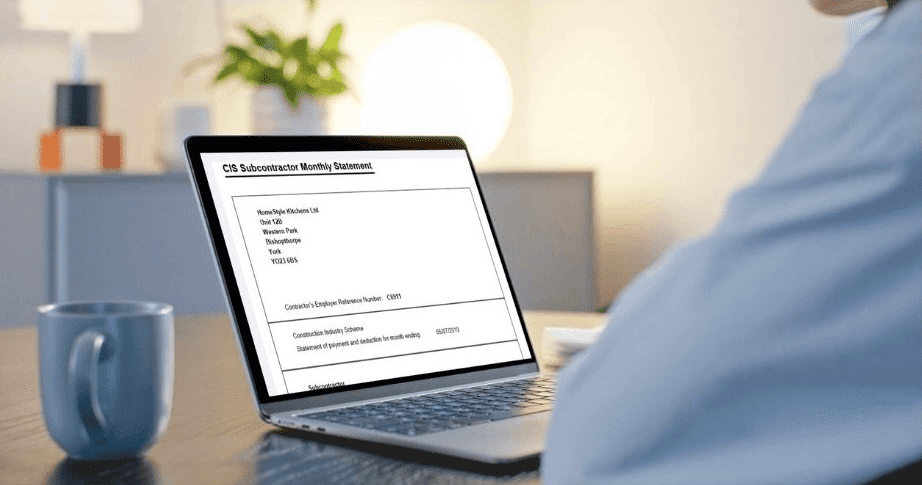
If you work in UK construction, the CIS statement is one document you can’t ignore. It’s a monthly snapshot showing what you’ve been paid and how much tax was deducted under the Construction Industry Scheme (CIS).
Getting to grips with your CIS statement means clear records, smoother tax filing with HM Revenue, and no nasty surprises from HMRC. Whether you’re a contractor or subcontractor, understanding this statement is key to staying compliant and in control of your money.
This guide breaks down everything you need to know about CIS statements: quick, simple, and straightforward. Let’s get started!
What is a CIS Statement?
A CIS statement (Construction Industry Scheme statement) is a monthly summary issued by contractors to subcontractors, detailing payments made and deductions taken under the UK government’s Construction Industry Scheme (CIS).
Under this scheme, contractors are required to deduct a percentage from a subcontractor’s payments. This is usually 20% for registered subcontractors or 30% for those who are unregistered, and the amount is submitted to HMRC as advance tax.
Why Do CIS Payment and Deduction Statements Matter?
CIS payment and deduction statements are more than just paperwork; they’re essential for staying on the right side of HMRC. These monthly statements play a critical role in tracking your income and tax deductions under the Construction Industry Scheme (CIS), ensuring smooth tax returns and accurate refunds.
Here’s why these statements are so important:
- They help you stay compliant with HMRC by documenting your CIS payments and deductions.
- Each statement shows your gross pay and the amount deducted for tax.
- They make it easier to track how much has gone towards your tax bill.
- They’re necessary when filing your CIS tax return or applying for a refund.
- Without them, confirming your deductions can be difficult, leading to delays or errors.
- They contain key details like your National Insurance number, which HMRC uses to verify your records.
Key Components of a CIS Statement
A CIS statement is a vital document that details your payments and tax deductions under the Construction Industry Scheme. Understanding its key parts helps you stay compliant and keep accurate records.
1. Subcontractor Details
This section includes your name or business name, Unique Taxpayer Reference (UTR), and National Insurance number or company details. It confirms your tax status and ensures HMRC applies the correct deduction rate—20% if registered, 30% if not.
2. Contractor Details
Here you’ll find the contractor’s name, address, Employer Reference Number (ERN), and Unique Taxpayer Reference (UTR). This identifies who withheld and submitted your tax deductions to HMRC.
3. Payment and Deductions
The statement shows your gross payment before tax, any CIS tax deducted, and the cost of any materials supplied (which are excluded from deductions). The net payment reflects what you actually received after deductions.
4. Verification Number
If applicable, this number confirms the contractor verified your CIS tax status with HMRC and applied the correct deduction rate.
5. Payment Date and Tax Month
CIS operates monthly from the 6th to the 5th. The statement includes the payment date and tax month to help you track and match payments with your Self Assessment tax return.
Also Read: What is CIS Payroll? Everything You Need to Know.
How to Read and Interpret Your CIS Statement?
To make reviewing your CIS statement easier, here’s a clear checklist of key details to verify and why they’re important.
| What to Check | Details to Verify | Why It Matters |
|---|---|---|
| Personal details | Ensure your UTR, name, and National Insurance number (or company details) are correct. | Confirms the statement applies to you and matches tax records. |
| Contractor information | Verify the contractor name and Employer Reference Number (ERN) match the one who hired you. | Validates the source of payment and tax deductions. |
| Gross and net amounts | Confirm the gross payment matches your invoice and the net payment matches what you received. | Ensures correct payment and deductions. |
| Deduction rate | Check the deduction rate is 20% if registered or 30% if not. | Prevents overpayment or underpayment of tax. |
| Payment dates | Cross-check payment and tax month dates with your records. | Avoids gaps or missed statements for accurate tax reporting. |
Also Read: Learn How to Do Payroll for a Construction Company
Preparing to Issue or Receive a CIS Statement

Issuing or receiving a CIS statement requires attention to detail to ensure accuracy and compliance.
For Contractors:
- Verify each subcontractor’s CIS status before payment.
- Apply the correct tax deduction rate (20% or 30%).
- Deduct the right amount of tax and record all payment details precisely.
For Subcontractors:
- Review each CIS statement carefully to confirm that payment and deduction amounts match your records.
- Use these figures for self-assessment and tax filing.
Including key information such as the tax month, payment amounts, and tax deducted reduces errors and simplifies reporting and audits for both parties.
Essential Documents and Information Needed
Accurate CIS compliance depends on gathering and maintaining the right documents:
- Contractors need:
Unique Taxpayer Reference (UTR), National Insurance number, and tax status of subcontractors. - Subcontractors should keep:
Invoices, job details, and purchase receipts to support their records.
Sole traders must have a National Insurance number and be registered for self-assessment to comply with CIS. Having all relevant documents ready helps avoid delays, errors, and legal issues.
Registering with HMRC for CIS
Registration is mandatory for all contractors and subcontractors involved in construction work.
- Contractors register to deduct tax correctly and verify subcontractors through HMRC.
- Subcontractors who register benefit from a lower tax deduction rate of 20% instead of 30%.
During registration, you’ll need your UTR and National Insurance details. Proper registration helps keep your tax affairs in order and allows you to claim rebates for any overpaid tax.
Also Read: Avoid HMRC Penalties: What to Know About UK Payroll Tax
Step-by-Step Guide to Managing CIS Statements
Managing CIS statements effectively involves a few key steps to ensure accuracy and compliance. Contractors must verify subcontractor details, calculate deductions correctly, issue statements on time, and report to HMRC promptly. Subcontractors should review statements carefully to avoid errors and fines.
Step 1: Verify subcontractor details
Start by confirming each subcontractor’s Unique Taxpayer Reference (UTR) and National Insurance number. Check their income tax status, including whether they have a gross status. This helps ensure correct deduction rates and avoids future tax issues.
Step 2: Calculate CIS deductions
Calculate deductions based on the subcontractor’s tax status and the latest CIS rules. Include any advance payments and national insurance contributions. Accurate deduction calculations are essential for proper reporting and compliance.
Step 3: Issue the CIS statement
Create a CIS statement that clearly shows the subcontractor’s details, gross payment, deductions, and net pay for the tax month. Use the official format to ensure clarity and proper record-keeping for both tax and audit purposes.
Step 4: Record and report to HMRC
After each tax month ends (6th to 5th), submit an Employer Payment Summary to HMRC. This report must include payments, deductions, and any relevant contributions. Timely and accurate reporting helps avoid penalties and keeps your accounts in order.
Also Read: What are the Various Types of Construction Payroll Services?
Common CIS Statement Issues and How to Fix Them
Errors in CIS statements are fairly common and can cause confusion or financial setbacks if not addressed promptly. These often arise from poor record-keeping, mismatched payments, or incorrect timing. Staying organised and reviewing your statements regularly helps prevent these issues.
1. Discrepancies in payments or deductions
Payment amounts or deduction rates may not match your contract or records due to calculation or data entry errors. Double-check all payments, including National Insurance and tax deductions. If something seems off, contact HMRC’s CIS helpline for help.
2. Missing CIS statements
If you don’t receive an expected CIS statement, review your payment history and confirm it aligns with the correct tax month (6th to 5th). If dates and payments are in order but no statement arrives, reach out to HMRC immediately. Accurate records can speed up the resolution.
3. Duplicate or misdated statements
Receiving multiple or misdated statements for the same tax month can cause confusion. Ensure each statement reflects a single, clearly defined tax period. For overlaps or gaps, contact the contractor or HMRC to correct the records.
4. Who to contact for help?
For any errors or unclear deductions, HMRC’s CIS helpline is your first stop. You can also consult a qualified accountant familiar with construction tax rules to ensure you stay compliant and avoid further issues.
Simplify CIS Compliance with Expert CIS Payroll Services
Managing CIS compliance can be time-consuming and complex, especially with changing HMRC regulations and strict reporting requirements. That’s where Direct Payroll Services comes in. Based in London, we specialise in providing tailored CIS payroll solutions for contractors and subcontractors across the construction industry. From verifying subcontractor details to handling deductions and submissions, our experienced team ensures everything is accurate, timely, and fully compliant.
Outsourcing your CIS payroll to Direct Payroll Services saves you time, reduces admin stress, and helps avoid costly errors or penalties. Our expert support allows you to focus on running your projects, while we handle everything from payments to HMRC reporting. To simplify your CIS obligations and stay on the right side of tax regulations, contact us today!
Staying Compliant and Confident with CIS Management
Managing the Construction Industry Scheme requires close attention to detail and a clear understanding of the CIS statement process—from verifying subcontractor details to resolving common issues. Staying compliant with legal requirements is essential to ensure smooth tax affairs and avoid penalties.
Keeping track of key elements such as the relevant tax year, gross payment status, and accurate deductions is good practice that helps reduce tax liabilities and maintain compliance. For detailed guidance, it is wise to utilise HMRC’s resources and consult professionals when needed. This approach simplifies managing CIS obligations and keeps your construction business on the right track.
Frequently Asked Questions
How do I correct an error on a CIS statement?
To fix a mistake on a CIS statement, let the subcontractor know about it right away. Tell them the correct information. After this, send a new statement to HMRC. Make sure that every detail is right. Keep records of all changes, so you have them for later and to follow the rules.
Can a subcontractor dispute a CIS deduction?
Yes, there are times when a subcontractor might think a CIS deduction is not right. If this happens, the subcontractor should get the right papers and talk to the contractor to find out what happened. If things are not fixed, they may need to talk to HMRC to sort it out.
Why was the CIS scheme introduced?
The Construction Industry Scheme (CIS) is here to make sure that tax be taken right from payments made to subcontractors in the construction industry. This helps stop tax evasion. It also makes sure that subcontractors pay the right amount of tax. The system helps bring more transparency to the construction industry.
What Are CIS Payment and Deduction Statements (PDS)?
CIS Payment and Deduction Statements (PDS) are official documents contractors provide to their workers. They show payments made and deductions taken under the Construction Industry Scheme. These statements help subcontractors track their earnings and verify tax deductions, ensuring clarity about their money and taxes.
What is CIS deduction?
CIS deductions are the money taken off what subcontractors get paid under the Construction Industry Scheme. These deductions work as tax payments made ahead of time for people who work as subcontractors. This helps the construction industry stay in line with HMRC rules. It also makes tax collection easier in the construction sector.