Payslips can seem complicated, but within those numbers lies a valuable tool: the Year-to-Date (YTD) totals.
YTD shows how much an employee has earned, how much tax has been withheld, and the total deductions since January 1. Understanding these figures helps you manage payroll accurately, plan budgets, and stay compliant with tax regulations.
In this post, we’ll explain why YTD matters for your business—and how to use it effectively.
What Is YTD on A Payslip?
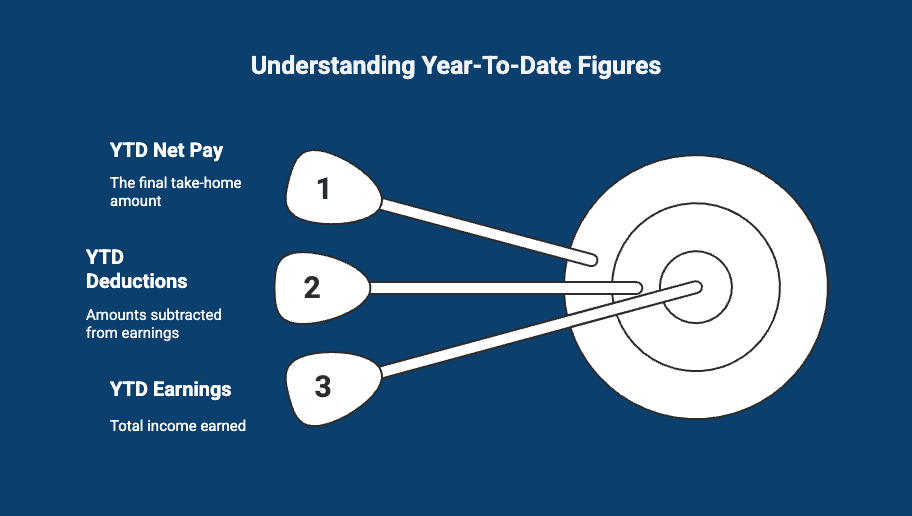
YTD on a payslip stands for “Year-to-Date.” It shows the total amount an employee has earned or had deducted from the start of the year up to their latest paycheck. This includes their total wages, taxes withheld, and other deductions so far this year.
Tracking YTD figures helps you ensure payroll accuracy, manage labor costs, and stay compliant with tax requirements. Here are the key YTD figures you should monitor.
YTD Earnings
This shows how much an employee has earned so far this year before taxes and deductions. It includes regular pay, bonuses, overtime, and any other taxable income.
YTD Deductions
These are the total deductions taken from the employee’s paychecks year-to-date. This might include:
- Income tax (federal, state, local)
- Social Security and Medicare
- Health insurance
- Retirement contributions (like a 401(k))
YTD Net Pay
Net pay is the amount the employee takes home after all deductions. Monitoring YTD net pay helps you understand the employee’s actual earnings over time, not just per paycheck.
Also read: Legal Risk and Penalty for Not Issuing Payslips UK
What Is The Importance of YTD Information for Employers?

Year-to-Date (YTD) information on your payslip isn’t just a number, it’s a tool that helps you stay financially informed and in control. For employees, tracking YTD figures can make a big difference in budgeting, planning, and meeting financial goals against the overall annual budget. Here is why YTD on payslips is important for employers.
1. Ensures Payroll Accuracy
YTD figures help employers verify that wages, bonuses, and deductions are being calculated and recorded correctly throughout the year. This reduces payroll errors and prevents over- or underpayment.
2. Supports Tax Compliance
Accurate YTD data is critical for preparing and filing payroll taxes. It ensures that tax withholdings match IRS and state requirements and makes year-end reporting smoother when generating W-2 or 1099 forms.
3. Tracks Labor Costs
Employers use YTD reports to monitor total compensation expenses. This helps with budgeting, forecasting, and managing cash flow, especially in businesses with hourly workers or seasonal fluctuations.
4. Verifies Benefit Contributions
YTD tracking confirms whether employer and employee contributions to retirement plans, insurance premiums, and other benefits are accurate and up to date.
5. Simplifies Year-End Reporting
At the end of the year, YTD data simplifies the process of generating final payroll summaries and filing tax documents, reducing the risk of compliance issues or penalties.
Also Read: Electronic Payslips: What Employers Need to Know
How Are YTD Figures Calculated on a Payslip?
Year-to-Date (YTD) figures on a payslip are cumulative totals that reflect an employee’s financial activity from January 1 through the current pay period. These figures update automatically with each payroll cycle.
1. YTD Earnings
YTD earnings represent the total gross income an employee has earned since the start of the calendar year. This includes:
- Regular wages or salary
- Overtime
- Bonuses
- Commissions
- Holiday or sick pay
Example:
If an employee earns $3,000 monthly and has received four paychecks this year, their YTD gross earnings would be:
$3,000 × 4 = $12,000
2. YTD Taxes
YTD tax amounts reflect the total taxes withheld from an employee’s pay so far this year, including:
- Federal income tax
- State and local taxes (if applicable)
- Social Security
- Medicare
Each paycheck contributes to this total, which is essential for tax reporting and compliance.
3. YTD Deductions
This includes all non-tax deductions withheld from the employee’s pay, such as:
- Health insurance premiums
- 401(k) or other retirement contributions
- Union dues
- Other voluntary benefits
Tracking these deductions ensures contributions are accurate and up to date.
4. YTD Net Pay
YTD net pay shows the total amount the employee has taken home after all taxes and deductions:
YTD Net Pay = YTD Gross Earnings – YTD Taxes – YTD Deductions
This figure helps employers and employees understand actual earnings and supports better financial planning and payroll transparency.
How To Calculate YTD Without Pay Stubs?

If an employee doesn’t have access to their pay stubs but needs to calculate their Year-to-Date (YTD) income, you can assist them or guide them using a few reliable estimation methods based on available information.
1. Using Bank Statements
For employees with direct deposit:
- Review all deposits made from your payroll account since January 1.
- Add all net (after-tax) payments together to estimate YTD net income.
- To approximate gross income, help the employee estimate based on typical deductions withheld each period.
2. Using Pay Frequency and Rate
If you know the employee’s pay rate and schedule, you can estimate their YTD income:
For Hourly Employees
YTD = Hourly Rate × Hours Worked Per Week × Number of Weeks Worked
Example: $20/hour × 40 hours/week × 20 weeks = $16,000 YTD gross income
For Salaried Employees
- Bi-weekly: YTD = (Annual Salary ÷ 26) × Number of Pay Periods So Far
- Semi-monthly: YTD = (Annual Salary ÷ 24) × Number of Pay Periods So Far
This method gives a solid gross income estimate, useful for financial verifications or planning.
3. Using Last Year’s Tax Return (for Reference)
If no current-year data is available, guide the employee to use last year’s income:
- Take their total annual income from the previous year’s tax return.
- Divide by 12 to get a monthly average, then multiply by the number of months completed this year.
This is not exact, but it can provide a rough estimate for things like loan applications or budget planning.
Direct Payroll Services Makes Understanding Payslips a Breeze
We go beyond just processing pay—we bring clarity to every paycheck. With Direct Payroll Services, your team always knows what they’re earning, what’s being deducted, and why.
Here’s how we make payroll simple and transparent:
- Clear, Itemized Payslips
Every line—from gross pay to tax withholdings, is explained in plain language. - Real-Time Access
Employees can securely view and download their pay history, W-2s, and benefits anytime. - Built-In Help Guides
Tooltips and definitions are included right on the payslip, no guesswork, no confusion. - Live Human Support
Still have questions? Our team is ready to help, no bots, no hold music.
For employers, this means fewer support tickets, faster onboarding, and increased trust.
For employees, it’s peace of mind every payday.
Direct Payroll Services doesn’t just pay your team, it empowers them. Ready to simplify your payroll? Let’s get started.
Conclusion
Year-to-Date (YTD) figures on a payslip provide a clear picture of total earnings, taxes, and deductions since the start of the year, helping you stay accurate with payroll, compliant with tax obligations, and on track with financial planning.
Whether you’re reviewing employee compensation or organizing your own budget, YTD figures offer valuable insight into overall income and deductions.
By checking them regularly, you can avoid discrepancies, correct errors early, and make informed financial decisions with confidence. Ultimately, YTD data makes payroll more transparent, reliable, and easier to manage year-round.
Frequently Asked Questions
What does YTD reflect in my earnings?
YTD shows the total income, deductions, and taxes you get from the start of the year tax year to the current payroll period. It covers things like salary, holiday pay, and total business expenses. This helps you and your employer track earnings and know tax amounts in a good and easy way.
How often should I check my YTD figures?
For best practice, you should check your YTD totals every current pay period. This is important when the start of the calendar year comes or when hiring new people happens. Freelancers and salaried workers can use this information. It helps them plan their money better and match their budget with their goals and needs.
Why might my YTD amount differ from my expected earnings?
Discrepancies often come up because of potential tax liability or changes to your tax code. This might also happen because of income tax payments you make or national insurance deductions that are spread over the HMRC payroll tax period. It is good to stay up-to-date, so that you do not get confused and can plan your financial goals for the long term in a better way.
Can YTD earnings include non-cash compensation?
Yes, they can. Some employers include the value of stock options, RSUs, bonuses, or other fringe benefits (like a company car or housing allowance) in your YTD earnings, depending on tax reporting rules.